
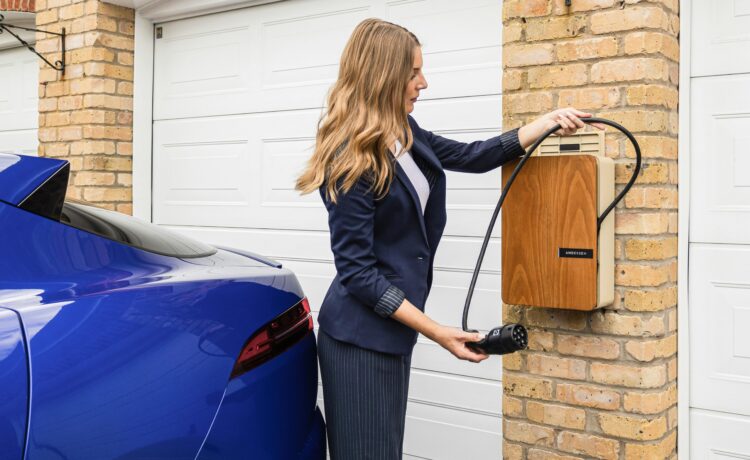
As electric vehicles (EVs) gain popularity, many homeowners are considering the convenience of installing a home EV charger. Imagine being able to power up your vehicle overnight, eliminating those pesky trips to public charging station. But before you dive into this eco-friendly upgrade, it’s essential to understand what influences the cost of installation. From the type of charger you choose to local regulations and available incentives, various factors come into play. Let’s explore how these elements shape your investment in an at-home EV charging solution and help you make an informed decision for a greener future.
Cost Factors of Installing a Home EV Charger
When considering the installation of a home EV charger, costs can vary widely. One major factor is the type of charger you choose. Level 1 chargers are generally more affordable but offer slower charging speeds compared to their Level 2 counterparts, especially when looking at the cost factors to install an ev charger at home in sydney.
Next, your home’s electrical system plays a crucial role. If it’s outdated or lacks sufficient capacity, upgrades may be necessary, adding to your expenses.
The complexity of the installation site also affects pricing. For example, if your garage is far from the main electrical panel or requires additional wiring, labor costs could increase significantly.
Local permitting and inspection fees can add unexpected charges to your overall budget. Always check with local regulations beforehand to avoid surprises later on in the process.
Understanding the Different Types of Chargers
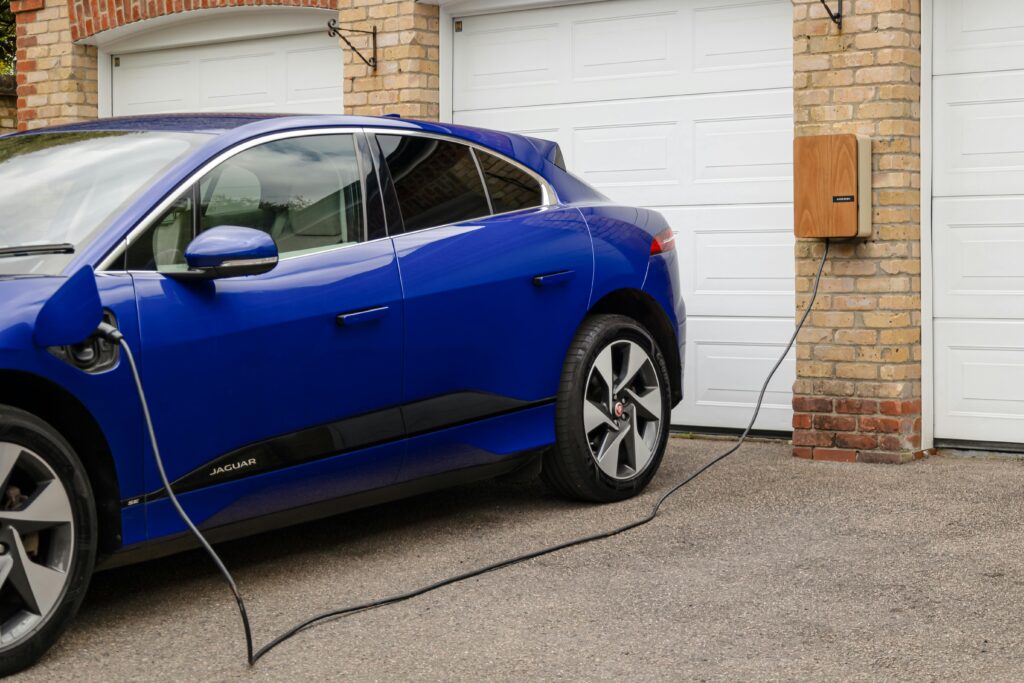
When it comes to home EV chargers, not all are created equal. The three main types include Level 1, Level 2, and DC fast chargers.
Level 1 chargers utilize a standard household outlet. They’re the slowest option but can be convenient for overnight charging at home.
Level 2 chargers require a dedicated circuit and deliver power faster than Level 1 options. These are popular among homeowners who want quicker turnaround times for their electric vehicles.
DC fast chargers stand apart as the high-speed solution. However, they’re primarily found in public charging stations due to their complex installation requirements and higher costs.
Choosing the right charger often depends on your driving habits and how quickly you need to recharge your vehicle’s battery. Each type has its pros and cons that cater to different needs in the growing world of electric vehicles.
Government Incentives and Rebates for EV Chargers
Across many regions, governments are stepping up to encourage electric vehicle adoption. One key way they’re doing this is through incentives for home EV charger installations.
Rebates can significantly reduce the overall cost of purchasing and installing a charger. Depending on where you live, these financial benefits vary widely. Some states offer direct cash rebates, while others provide tax credits that can be applied during tax season.
Moreover, local utility companies might have their own programs designed to entice homeowners into going electric. These initiatives could include discounts or even free installation as part of energy efficiency efforts.
Staying informed about available incentives can make a big difference in your investment decision. It’s worth checking both federal and state resources regularly for updates on these programs before you install an EV charger at home.
The Role of Electricians in the Installation Process
Choosing to install a home EV charger is an important decision, and the role of electricians in this process cannot be overstated. They bring expertise that ensures your installation is safe, efficient, and compliant with local regulations.
Electricians will assess your home’s electrical system before any work begins. They determine whether your current wiring can handle the extra load from an EV charger or if upgrades are necessary. This evaluation can significantly influence both the cost and complexity of the project.
Once you choose a charging unit, electricians will expertly install it according to manufacturer specifications. This involves connecting the charger to your home’s power supply while ensuring everything meets safety standards.
Their knowledge extends beyond just installation; they can offer advice on optimal placement for convenience and efficiency. If you encounter any issues later on, having a qualified electrician involved means you’re more likely to get effective support.
The value they add goes beyond technical skills—the peace of mind that comes with professional installation is priceless when investing in new technology like electric vehicle chargers.