

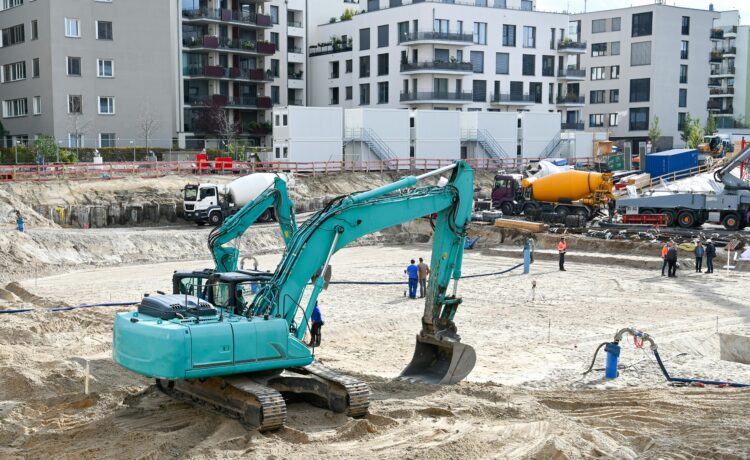
When it comes to tackling excavation projects, the right tools can make all the difference. Whether you’re planning a small landscaping job or embarking on a large construction venture, choosing appropriate equipment is crucial. With so many options available—from trusty manual tools to powerful heavy machinery—understanding what each can offer will set you on the path to success.
Navigating the world of excavation tools might seem overwhelming at first. But fear not! This guide will break down various types of excavation tools, their uses, and key considerations for selecting the perfect fit for your project. Get ready to dig deep into this essential aspect of construction and landscaping!
The importance of choosing the right excavation tools
Choosing the right excavation tools is a game-changer. The success of your project often hinges on this decision.
Using appropriate equipment can significantly enhance efficiency. With the right tools, tasks take less time and require fewer resources. This means lower labor costs and quicker project completion.
Additionally, safety cannot be overlooked. Properly chosen tools reduce the risk of accidents and injuries on-site. Heavy machinery designed for specific jobs minimizes hazards associated with manual labor.
Quality matters too. Investing in reliable excavation tools ensures durability and long-term performance. trenching machine prices are Cheaper alternatives may save money upfront but could lead to costly repairs or replacements down the line.
Aligning your tool selection with project requirements sets you up for a smoother experience from start to finish. It pays off to consider all factors before making that purchase or rental decision.
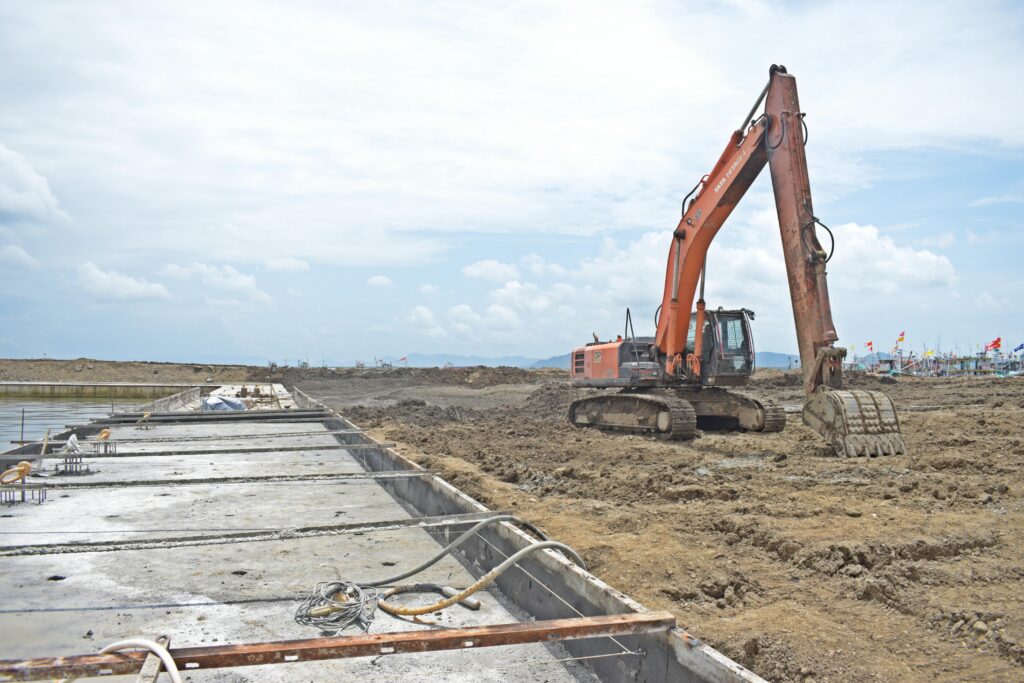
Types of excavation tools and their uses
Excavation tools come in various shapes and sizes, each designed for specific tasks. Shovels are perhaps the most basic tool. They excel at moving loose materials like soil or gravel.
Backhoes offer versatility on larger sites. With a front loader and a rear digging arm, they’re perfect for both lifting and trenching tasks.
For precision work, mini-excavators shine. Their compact size allows access to tight spaces while maintaining impressive digging capabilities.
Then there’s the bulldozer, known for its strength. It can push large amounts of earth quickly, making it ideal for grading and leveling projects.
Augers dig deep holes efficiently—great for fence posts or tree planting.
Compaction tools ensure solid ground preparation by compressing soil layers before construction begins. Each tool serves its purpose; knowing which one to use can make all the difference in your excavation project.
Pros and cons of manual vs. heavy machinery excavation tools
When it comes to excavation, the choice between manual and heavy machinery tools can be pivotal. Manual tools like shovels and pickaxes offer precision in smaller spaces. They are perfect for detailed work or tight areas where machines can’t reach.
On the flip side, heavy machinery such as excavators and backhoes significantly speed up large-scale projects. They reduce labor intensity and enhance productivity on bigger jobs.
However, using manual tools often means a lower initial cost. There’s no need for fuel or maintenance associated with machinery. Yet, they require more physical effort and time.
Heavy equipment demands higher investment upfront but usually pays off in efficiency over time. It’s vital to weigh your project’s scale against budget constraints when deciding which option suits you best. Each has its unique advantages that cater to different needs within the realm of excavation.
Considerations when selecting excavation tools for specific projects
Selecting the right excavation tools for a project requires careful thought. Start by assessing the scope of your work. Are you digging a small trench or preparing a large site?
Soil type plays a crucial role as well. Clay, sand, and rocky terrains each demand different tools to ensure efficiency and safety.
Consider the depth of your excavation too. Shallow digs might only need handheld tools, while deeper excavations may call for heavy machinery.
Project timelines can influence tool selection as well. If time is tight, investing in equipment that speeds up the process could be wise.
Factor in budget constraints. Sometimes renting specialized equipment can provide cost benefits without sacrificing quality or performance on your project.
Top brands and models of excavation tools
When selecting the right excavation tools, it’s essential to consider reputable brands known for their quality and reliability. Several manufacturers stand out in the industry, offering a range of models tailored for various needs.
Caterpillar is often at the forefront, with its excavators renowned for durability and performance on tough job sites. Their hydraulic excavators come in various sizes, suitable for everything from small landscaping projects to large-scale construction.
John Deere also offers a solid lineup of excavation equipment. Their backhoe loaders are particularly popular among contractors due to their versatility and ease of use. The compact size makes them excellent choices for urban environments where space is limited.
Bobcat has made a name for itself with its skid-steer loaders that excel in tight spaces. These machines are perfect when maneuverability is key, allowing operators to dig efficiently without compromising on power.
For those looking into manual options or smaller tasks, Fiskars provides dependable hand tools like shovels and digging forks designed with ergonomic features that make work easier over extended periods.
Each brand has distinct strengths depending on your project requirements. Evaluating these options can lead you toward selecting the ideal toolset that aligns perfectly with your specific excavation needs.