
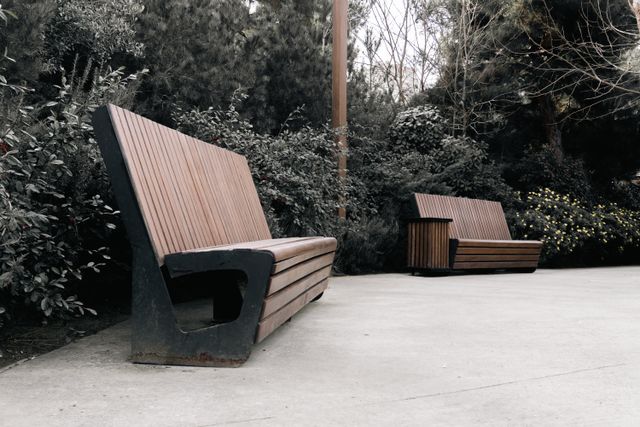
Early street furniture was bought with a very straightforward brief in mind: it had to be tough, easy to put up, and cheap to replace. That way of thinking dominated the way councils bought things for decades. But a lot has changed since then. Now tender documents are starting to ask for a lot more. They want to know about design, how the street furniture will fit in with the local culture, and how it will all hang together as a whole all as well as the usual ‘is it strong enough’ questions. The idea that public spaces should be more than just functional has really taken hold. Architects and urban designers are now getting involved in the process of specifying street furniture something that used to be a big deal when it happened in Australian councils a couple of decades ago.
The upshot for street furniture suppliers Melbourne is that having a shiny product catalogue just isn’t enough any more. To get the work, suppliers need to be able to show off their design skills, produce one-off pieces to order, and speak the right language when it comes to council planning. And if you can’t, then price alone is unlikely to be enough to win the job over your competitors.
Melbourne’s Established Manufacturers: What Sets Them Apart
Urban Design Group has been making streetscape furniture for over sixty years, and they’ve got a team of in-house designers and a fleet of trucks that can deliver all over Melbourne and regional Victoria. The fact that council procurement teams keep coming back to them is a pretty good sign that they know how to do things right. They get the job done on time and handle any problems that come up after the installation without making a fuss.
TRJ Engineering Group has been the preferred supplier for the City of Melbourne, Monash, Kingston and Port Phillip councils for years, and they’ve built that reputation through relentless attention to detail and custom fabrication skills in all sorts of materials mild steel, aluminium, stainless steel and even recycled hardwood. Mechcon Welding takes a bit of a different approach, focusing on custom metal fabrication for things like bike racks, tree guards and bin enclosures that way they can make exactly what local councils and commercial developers need. JND Outdoor Furniture is a bit of an outlier in that it’s a family business that’s been focused on making custom council and hospitality-grade furniture since 2012. They bring a level of personal service that larger manufacturers just can’t match.
Sustainability Credentials: What Buyers Are Now Asking For
Just a few years ago, the idea of using recycled materials or designing products to last really wasn’t a priority in the way it is now. But now, increasingly, suppliers are looking at what materials can be recycled at the end of their life. Aluminium is popping up as a preferred option because it’s so easily recyclable plus, the alternatives tend to get chucked in the bin at the end of their life. Operating under the urban furniture function model, Urban+ has built its business on sustainability, focusing on products that can stay in use for generations rather than being replaced every few years. Draffin, meanwhile, have committed itself to making outdoor furniture here in Australia, and is determined to make it last.
The fact that suppliers have an environmental policy they can actually show off carries real weight when councils are scoring tenders after all, now environmental considerations are actually part of the assessment process in the Victorian and New South Wales council frameworks. And it’s not just about recycling: using materials that come from local suppliers reduces transport emissions and helps keep local economies strong and that’s all part of the sustainability reporting requirements that come with bigger civic contracts.
Building a Supplier Relationship That Will Stick in the Long Run
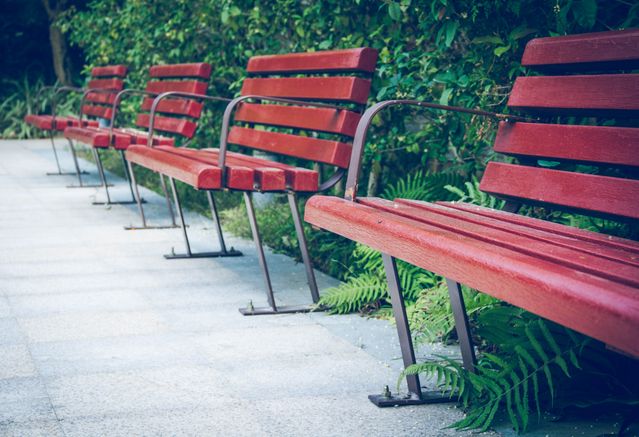
Using preferred supplier agreements with councils can really simplify repeat purchases and make sure your streetscape looks consistent right across different precincts over time. For instance, if a council has chosen to use the same type of park bench across three parks over five years, it all looks and feels like it belongs together and that’s what you want. On the other hand, if they’re constantly buying from whoever has the cheapest bench that year, it just looks like a mishmash. Suppliers that offer long-term maintenance support, including proper warranty procedures and some level of responsiveness when things aren’t right, end up saving councils a bundle when it comes to really big civic installations.
What happens after the installation is just as important as what happens before and on big projects, getting regular check-ins and dealing with any warranty issues that come up is way more important than it is on a small order. When it comes to the street furniture suppliers in Melbourne that manage to stick around for decades, it usually comes down to how they handle the tough stuff not just whether or not they have problems in the first place. How responsive they are when you’re working out the design and approval stuff is actually a better predictor of how good they’ll be after the installation than anything you’ll find in their glossy brochure.