
Pipeline services are the unsung heroes of modern infrastructure. While we often marvel at towering skyscrapers and sprawling highways, it’s easy to overlook the complex network of pipelines that fuels our everyday lives. From transporting natural gas to delivering water and wastewater management, these systems play a critical role in keeping our cities functional.
As urban areas continue to grow, so does the need for reliable pipeline services. They ensure that resources flow smoothly from one point to another, helping communities thrive. But what exactly are these services? And how do they contribute to development in today’s fast-paced world? Let’s dive into the fascinating world of pipeline services and uncover their impact on modern society.
Types of pipeline services and their functions
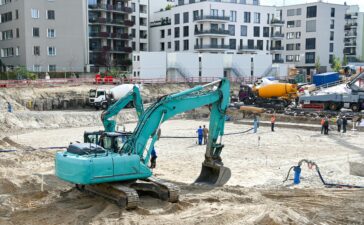
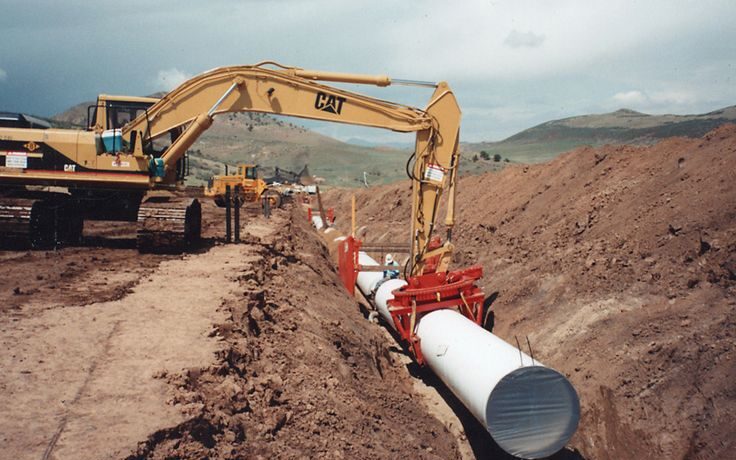
Pipeline services come in various forms, each playing a crucial role in the seamless transportation of resources. One primary type is construction, where skilled teams build pipelines from scratch. They ensure that every inch meets safety and regulatory standards.
Another critical service involves maintenance and inspection. Regular checks help identify leaks or weaknesses before they escalate into larger problems. Advanced techniques like smart pigging enhance this process by using technology to detect issues internally.
Then there’s the cleaning aspect, vital for maintaining efficiency and flow capacity within pipes. This includes removing debris and sludge that can hinder performance over time. https://sunstatepipelines.com.au/ provides expert pipeline cleaning services to ensure your systems operate smoothly and reliably.
Emergency response services are indispensable when unexpected incidents occur. These teams mobilize quickly to mitigate damage and restore operations, ensuring minimal disruption in supply chains across industries. Each service plays a unique part in keeping pipelines functional and reliable.
Importance of pipeline services in modern development
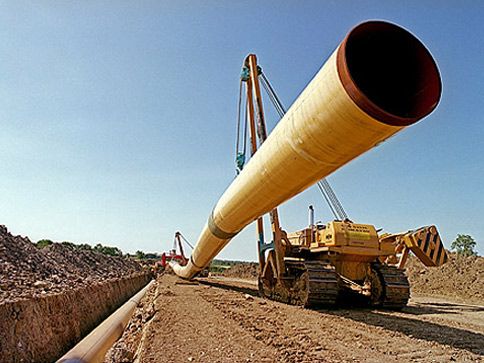
Pipeline services are the backbone of many industries today. They facilitate the transportation of essential resources like oil, gas, and water over vast distances. This connectivity fuels economies and supports daily activities.
Without efficient pipeline systems, energy production would falter. Industries rely on these services to ensure a steady supply chain. The impact is seen in everything from powering homes to enabling manufacturing processes.
Moreover, pipeline services play a critical role in sustainability efforts. By optimizing transport methods, they help reduce carbon footprints compared to other forms of resource movement. This aligns with modern development goals focused on environmental responsibility.
The integration of advanced technologies has further enhanced their importance. Smart monitoring systems allow for real-time data analysis and prompt responses to potential issues. As such, pipeline services continue evolving as indispensable components in our growing infrastructure landscape.
Challenges faced by pipeline service companies
Pipeline service companies navigate a complex landscape filled with challenges. Regulatory compliance is one of the most significant hurdles. Each region has its own set of rules, and staying updated can be daunting.
Environmental concerns add another layer of difficulty. Companies must ensure their operations do not harm ecosystems or wildlife, which often leads to increased scrutiny and potential delays.
Moreover, aging infrastructure poses risks for many organizations. Updating old pipelines requires substantial investment and planning.
Labor shortages also affect the industry. Skilled workers are in high demand, making recruitment a challenge for many firms striving to maintain quality services.
Technological advancements bring both opportunity and pressure to adapt quickly. Staying ahead in an ever-evolving market requires constant innovation while managing costs effectively.
Advancements in technology for pipeline services
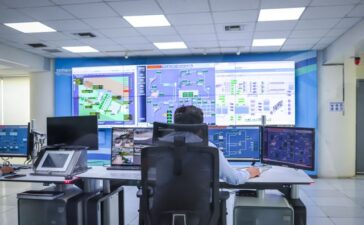
The landscape of pipeline services is rapidly changing, thanks to technological advancements. Innovations such as smart sensors and automated monitoring systems have transformed how companies manage pipelines. These technologies enable real-time data collection, allowing for quicker detection of leaks or other issues.
Drones are becoming essential in inspecting hard-to-reach areas. They provide a safe and efficient way to monitor infrastructure conditions without the need for manpower in hazardous locations. This not only improves safety but also reduces maintenance costs significantly.
Furthermore, predictive analytics software helps anticipate potential failures by analyzing historical data trends. This proactive approach minimizes downtime and enhances reliability, which is crucial in an era where efficiency is key.
Blockchain technology is also making waves in pipeline services by improving transparency and traceability in supply chains. It ensures that all transactions are recorded securely and can be audited easily.
These advancements signal a promising future for pipeline services, driving modern development while addressing environmental concerns effectively. As we move forward, embracing these innovations will be vital for sustainability and growth across various industries.