
Control system integration is the process of bringing together various automation components into a coordinated and integrated system. It helps connect different devices, software platforms, and control systems to run efficiently together to ensure smooth and reliable operations. In today’s industrial and commercial modern world, systems can be composed of various technologies that must communicate well. These elements are unified by control system integration, which increases system performance, decreases complexity, and increases system functionality.
Integrating components into a single system.
Control system integration involves connecting different elements of a control system, including sensors, controllers, human-machine interfaces, and software applications, into a unified system. There are specific roles for each component component, but integration means that they share information and work together. This will enable real-time data to be gathered, processed and used to make accurate adjustments in the system.
Good integration removes communication barriers between various parts of the system. It helps to ensure a smooth data flow, allowing for quicker responses and accurate control. A single system allows companies to run their operations more efficiently and minimize the chances of human errors due to siloed systems.

How to Integrate for Greater Efficiency
The benefits of Control System Integration Perth are many, including increased efficiency. Once systems are set up properly, processes can be automated more effectively, avoiding manual actions. This results in more uniform production and utilization of resources.
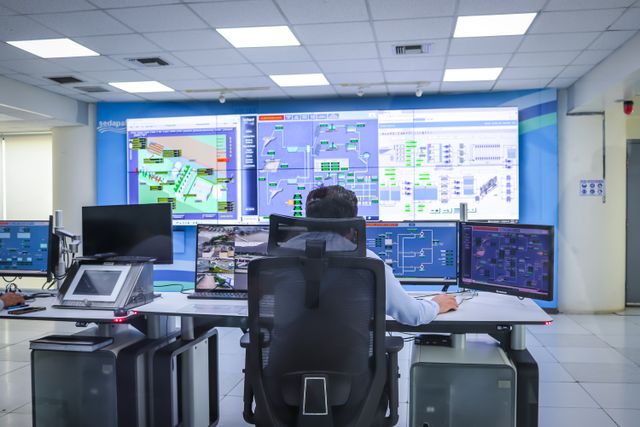
Integrated systems also enable the centralised monitoring and controlling of systems, which makes it easier to keep an eye on the performance and identify problems early. This transparency enables operators to make data-driven decisions and ensures efficient operations. By streamlining processes, control system integration contributes to higher productivity and better overall performance.

Provide support for scalability and long-term performance.
The integration of control systems enhances adaptability and scalability, enabling future growth and expansion. When operational requirements change, the whole system can be expanded or upgraded with new components or technology. The flexibility enables businesses to expand and enhance their systems with little disruption.
Moreover, integrated systems are more easy to maintain and manage in time. This ensures that the components are in sync with each other, which aids in the early detection of potential issues, thereby minimizing downtime and maintenance expenses. Control system integration allows for efficient and reliable systems that can adapt to changing needs.